

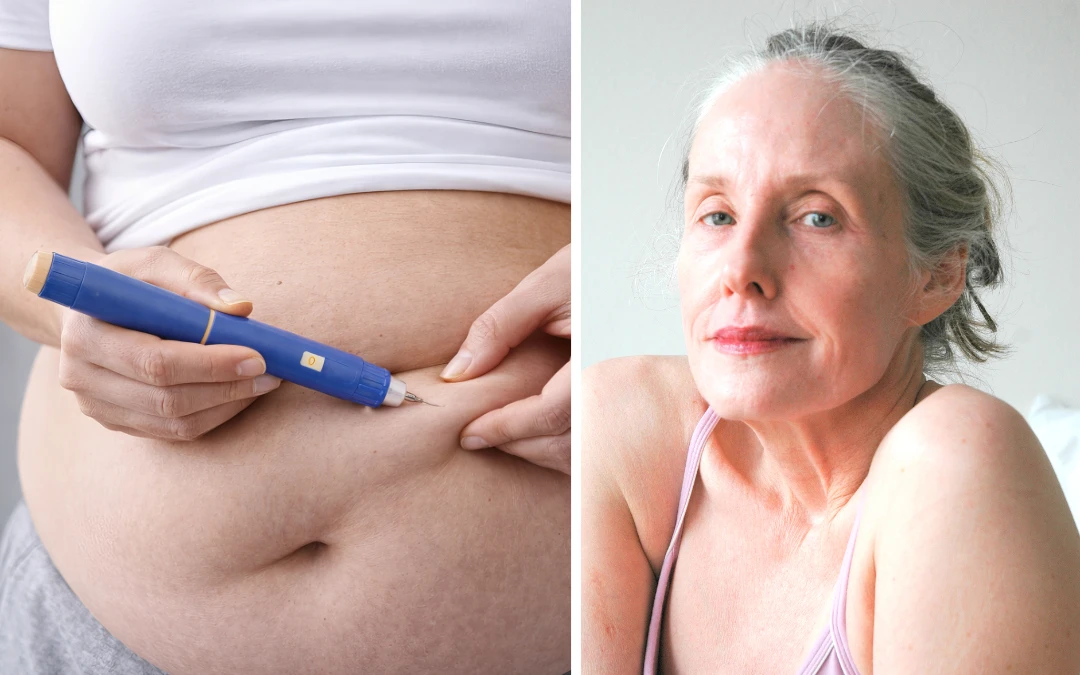
People taking GLP‑1 medications, especially semaglutide (Ozempic, Wegovy), at some point, will start to notice a change that’s as frustrating as it is unexpected: a loss of facial fullness, and a new layer of loose, sagging skin may appear. Cheeks that once boasted a gentle roundness now look flattened, under‑eye hollows deepen, and the overall “plumpness” that defined their profile seems to fade.
If you’re spotting these changes, you’re not alone. In this article we will explain why GLP‑1 treatments cause facial volume loss, and then explore a range of practical options on how to fix Ozempic face (from surgical, to non-invasive), so you can maintain both the benefits of GLP‑1 therapy and the look you love.
Key Takeaways
-
🧬 Understanding Ozempic Face: Rapid weight loss from GLP-1 medications like semaglutide causes depletion of facial fat pads, leading to a hollow, sagging, and prematurely aged appearance known as "Ozempic face."
-
⏳ Timing and Weight Stability for Surgery: Cosmetic surgeries such as facelifts and fat grafting should only be done after reaching and maintaining stable weight to avoid compromising results and needing revisions.
-
💉 Non-Surgical Volume Restoration Options: Injectable fillers and fat grafting can restore facial volume with less downtime, but fillers may be affected by future weight changes, and fat grafting works best with stable weight.
-
🧴 Role of Skincare: Consistent use of collagen-boosting skincare ingredients (retinol, peptides, vitamin C) and sun protection can improve skin elasticity and resilience, helping the skin adapt better to volume loss and support cosmetic treatments.
-
⚖️ Importance of Sustained Weight Management: Maintaining a stable weight through lifestyle or medical management is essential to preserving cosmetic treatment results and preventing further facial volume loss or distortion.
What is Ozempic Face?
"Ozempic face" is a common term used to describe the loss of facial fullness often seen after rapid weight loss with GLP‑1 receptor agonists (semaglutide, tirzepatide, dulaglutide, etc.).
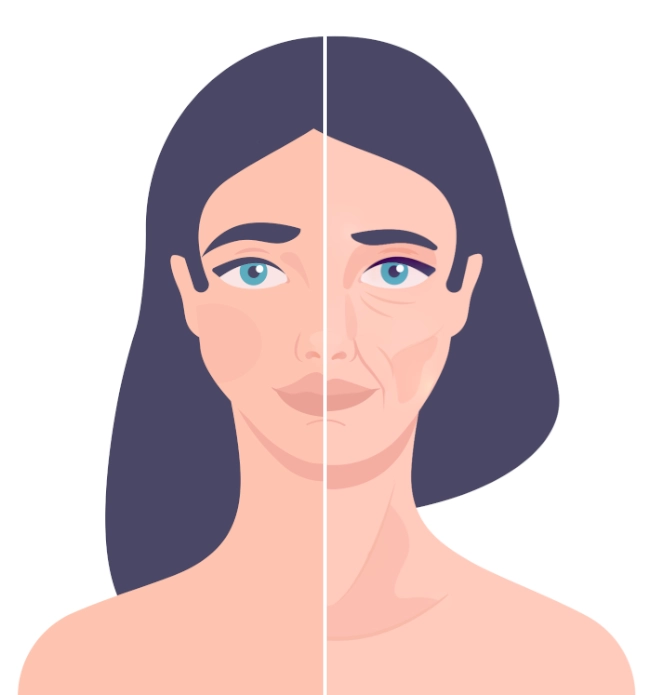
In practice, patients report a “deflated” or “gaunt” appearance, cheeks that are flatter, under‑eye hollows that are more pronounced, deeper nasolabial folds, and a general sense that the face looks prematurely aged.
While it’s not an official diagnostic label, the term captures a clear clinical phenomenon: the depletion of the face’s natural fat compartments when the body undergoes swift, significant fat loss. Because the face’s subcutaneous fat is not replaced or redistributed, the skin that once rested on a supportive “scaffold” now hangs loosely, producing the characteristic look.
In the following sections we will briefly explain what Ozempic, semaglutide, and other GLP‑1 medications are, how they work, and why they can lead to this facial change.
What Are Ozempic, Semaglutide, and Other GLP‑1 Medications?
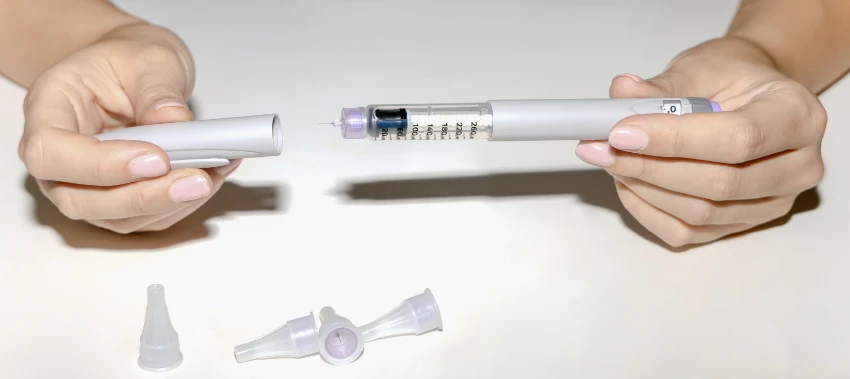
Semaglutide is a synthetic analog of the gut hormone GLP‑1 (glucagon‑like peptide‑1) that activates GLP‑1 receptors. By mimicking GLP‑1, it promotes satiety, slows gastric emptying, and boosts insulin secretion, effects that reduce appetite and drive sustained weight loss.
Ozempic is the brand name for injectable semaglutide, first approved for type‑2 diabetes. The same active ingredient is also sold under other names: Wegovy (specifically approved by the FDA for chronic weight management), and Rybelsus, an oral tablet for diabetes.
The key distinction is that Wegovy is formulated at a higher dose to achieve the robust weight‑loss effect that the FDA approved it for, whereas Ozempic’s dosing is optimized for glycemic control (type-2 diabetes). Nevertheless, many clinicians prescribe Ozempic off‑label for weight loss because the mechanism is the same and the side‑effect profile is similar.
In addition, the GLP‑1 family includes dulaglutide (marketed as Trulicity) and tirzepatide (sold as Mounjaro). All of these agents share the same core pharmacology: they mimic the gut hormone GLP‑1, which signals satiety, slows gastric emptying, and enhances insulin secretion, leading to reduced appetite and significant, sustained weight loss.
How GLP‑1 Receptor Agonists Work
GLP‑1 receptor agonists act like a naturally released gut hormone that is released after a meal. The hormone signals the brain that we are full, slows the rate at which food empties from the stomach, and boosts insulin release. The result is a marked reduction in appetite and calorie intake, which in turn drives sustained weight loss. Because the effect is systemic, it also reduces fat in the face’s natural subcutaneous compartments, leading to the deflated look that patients describe as “Ozempic face.”
The Process of Facial Volume Loss While on Semaglutide
Weight loss with semaglutide doesn’t happen evenly across the face. The deeper fat layers that provide structural support, those that sit under the cheeks, around the temples, and beneath the eyelids, usually shrink first. Because these layers give the face its structure, their early loss creates a “cascading” effect: the overlying skin loses its support and starts to sag, crease and fold.
Key areas that are most affected are the malar (cheek) and buccal (cheek‑to‑jaw) pads, as well as the fat around the eyes (periorbital). When these pads thin, the cheeks can appear hollow, the nasolabial folds deepen, and the skin around the eyes can look sunken or gaunt.
Semaglutide’s long‑lasting appetite suppression means that as long as you’re still losing weight, facial volume loss can continue. Unlike the slow, gradual thinning that comes with aging, these changes can happen relatively quickly, giving the skin less time to tighten proportionally. This rapid loss can accentuate the appearance of aging more sharply than a typical weight‑loss journey.
Can Plastic Surgery Correct Facial Volume Loss After GLP-1?
Ozempic Face has become a prominent concern among facial plastic surgeons. Increasing numbers of patients are looking for ways to restore lost facial volume and reverse its aging effects. Plastic surgery can provide effective correction, but successful outcomes rely heavily on the right timing and careful patient selection, which we will discuss in the following sections.
Timing and Weight Stability Considerations
One of the most critical factors when considering plastic surgery to correct facial volume loss after GLP-1 treatment is timing. Surgery should only be considered once the patient has reached and maintained their ideal weight. This is essential because:
- Continued weight loss following surgery can lead to further facial deflation, undermining the surgical results.
- Weight fluctuations after surgery can negatively affect outcomes and may necessitate additional revision procedures.
For long-term success, patients must commit to a sustainable weight management plan that includes a balanced diet and lifestyle changes to maintain their results.
Impact of Semaglutide (GLP-1) Treatment on Surgery
Another important consideration is the ongoing use of medications like ozempic during the surgical period:
- Ongoing weight loss: Since Semaglutide promotes continuous weight loss while being taken, patients should ideally reduce the dosage to a micro-dose or consider stopping treatment once they have stabilized their weight to avoid compromising surgical outcomes.
- Pre-surgery guidelines: This applies to patients who have achieved and maintained their ideal body weight but are still on a maintenance dose of semaglutide. For safety reasons, it is recommended that patients stop GLP-1 drugs at least 2 weeks before surgery. This is because GLP-1 medications slow gastric emptying, meaning the stomach takes longer to empty its contents. To reduce anesthesia risks, the stomach should be empty before surgery, and this timeframe allows normal gastric emptying to resume.
After these important considerations are addressed, various cosmetic procedures can be used to correct facial volume loss and improve contours. Below is an overview of the main options available.
Cosmetic Procedures to Correct Ozempic Face
Before we talk about the various surgical and non-surgical options to correct Ozempic Face, it’s important to emphasize the value of choosing a Board-Certified Plastic Surgeon. These specialists have the expertise and experience necessary to thoroughly evaluate your individual condition and recommend the most effective treatment plan. Whether your treatment plan includes surgery, injectables, or both, working with a qualified surgeon helps ensure the procedures are safe and the results look natural and last longer.
Facelift
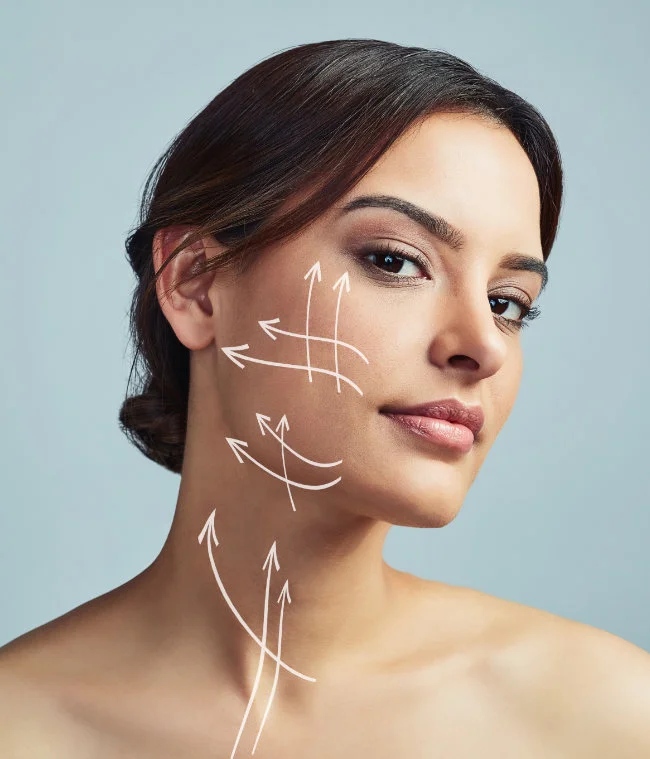
A facelift addresses loose, sagging skin primarily in the mid and lower face. It tightens underlying tissues and removes excess skin to restore a more youthful and lifted facial contour. Facelifts are best suited for patients who have stable weight and skin laxity due to significant weight loss. While effective at improving shape, facelifts do not restore lost volume, so additional treatments like fillers or fat grafting may be needed.
Neck Lift
A neck lift targets sagging skin and muscle laxity in the neck area, often resulting from weight loss or aging. This procedure tightens and recontours the neck to create a smoother, firmer appearance. Neck lifts provide structural correction but do not restore facial volume, so they are often combined with other treatments for optimal results. They are often combined with a facelift.
Brow Lift
A brow lift repositions sagging skin in the forehead that results in lower brow position as a result of aging and weight loss. This procedure can often rejuvenate the face by placing upward traction on the eyebrows and can sometimes make it look better proportioned, such as when skin is trimmed in an excessively long forehead.
Blepharoplasty (Eyelid Surgery)
Blepharoplasty can target either the upper or lower eyelids, each addressing different concerns related to aging and volume loss.
- Upper blepharoplasty removes excess skin and sometimes fat from the upper eyelids, reducing drooping that can cause a tired or heavy-eyed appearance. This procedure helps improve the overall eye contour and can enhance the effects of other facial rejuvenation treatments.
- Lower blepharoplasty focuses on the area beneath the eyes, removing or repositioning fat deposits and tightening loose skin to reduce puffiness, bags, and hollows. This surgery is particularly helpful for patients with volume loss that creates a sunken or hollow look under the eyes.
Together or separately, these procedures can significantly improve the eye area's appearance, which often shows early signs of aging or volume changes after GLP-1 related weight loss.
Facial Fat Grafting (Autologous Fat Transfer)
Facial fat grafting involves harvesting fat from other parts of the body and injecting it into hollow areas of the face, such as cheeks, under eyes, and temples, to restore volume. It uses natural tissue and can last longer than fillers. However, ongoing weight loss from GLP-1 medications may cause re-absorption of the transferred fat, limiting long-term effectiveness. This procedure is best suited for patients with stable weight.
Injectable Facial Fillers
Injectable fillers restore volume by placing substances like hyaluronic acid into hollowed areas of the face. They are minimally invasive, provide immediate results, and can be adjusted over time. While GLP-1 medications don’t cause fillers to be absorbed prematurely, changes in weight can distort their appearance. Precise placement is key to natural results. Fillers are often preferred by patients seeking less invasive options or still managing their weight.
Microneedling
Microneedling is a minimally invasive treatment that uses tiny needles to create controlled micro-injuries in the skin. This process stimulates the production of collagen and elastin, two key proteins that improve skin firmness, elasticity, and texture. While microneedling doesn’t restore facial volume or tighten deeper tissues like surgery or fillers, it can enhance skin quality and reduce fine lines and wrinkles associated with Ozempic Face. Often used alongside other cosmetic treatments, microneedling supports overall facial rejuvenation by improving skin elasticity and resilience.
Impact of Weight Regain on Facial Volume and Cosmetic Treatments
Stopping or reducing semaglutide often triggers meaningful weight regain, and that shift doesn't spare your face. As facial fat redistributes, previously treated areas can respond unpredictably. If you've had fillers placed to address facial volume loss after GLP-1, returning fat deposits may push against those materials, creating an overfilled or distorted appearance. Surgical corrections like facelifts don't accommodate volume fluctuations well either, regained tissue can stretch repaired structures, compromising your results.
These aren't hypothetical risks. Weight regain directly undermines the precision your cosmetic treatments were designed to achieve. That's why sustained weight management isn't optional, it's foundational to your outcome. Whether you maintain results through continued medication, lifestyle modifications, or both, stability is what allows your facial corrections to look natural, balanced, and lasting over time.
Can Skincare Products Help Reduce the Effects of Ozempic Face?
Cosmetic procedures (fillers, fat grafting, or surgery) are the most effective way to restore lost volume, but a consistent skincare routine can play a meaningful supporting role. Skincare can’t pull fat pads back into place, yet it can make the skin more elastic and resilient, so when you lose weight the surface adapts better, limiting laxity, fine lines, and the appearance of sagging.
How to Use Skincare to Maximize Skin Elasticity
- Kick‑off Before You Notice Any Hollows: Begin this routine prior to significant weight loss or right when you spot the first cheek or periorbital hollow. Building a stronger skin base early gives the dermis time to develop more collagen‑rich, elastin‑dense fibers that can adapt as volume shifts.
- Focus on Elastic‑Boosting Actives:
- Retinol: A classic retinoid that speeds collagen turnover and encourages skin remodeling.
- Peptides & Matrix‑Building Ingredients (e.g., palmitoyl‑palmitoyl‑peptide‑4, Matrixyl): Directly stimulate fibroblasts, enhancing elastin fiber synthesis for that “bounce.”
- Vitamin C: Antioxidant that not only protects but also supports collagen formation, leaving the skin firmer.
- Keep the Surface Plump: A hyaluronic‑acid‑rich moisturizer or serum adds a hydrated, temporary cushion to the epidermis. While it won’t replace lost volume, it reduces the visibility of mild hollows and guards against early wrinkle formation.
- Protect & Strengthen the Barrier: Use broad‑spectrum sunscreen daily and incorporate antioxidants to neutralize free radicals that can break down collagen and elastin. A healthy barrier keeps the dermis supple, which is essential when the skin must accommodate rapid changes.
- Consistency and Combination with Clinical Care: Cleanse, moisturize, and apply actives each day. Pair this skin‑supportive routine with fillers, fat grafting, or a facelift if those interventions are part of your plan. The firmer, more elastic skin base will hold the results longer and reduce the likelihood of loose‑skin, fine lines, or pronounced wrinkles.
Maintaining Results After Corrective Procedures
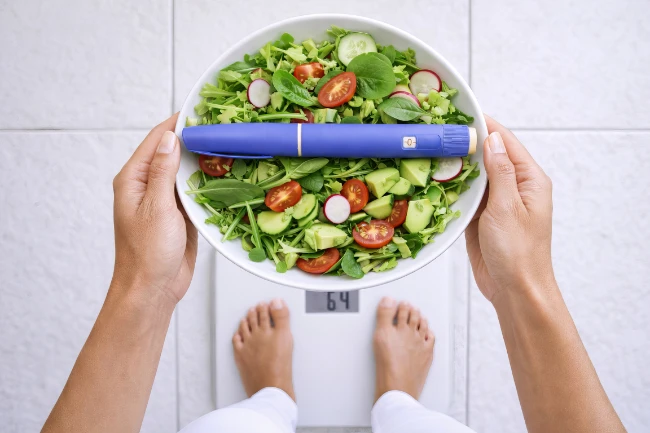
Skincare and corrective procedures can meaningfully improve the signs of Ozempic Face, but preserving those results long-term depends heavily on what you do afterward. Whether you've addressed facial volume loss after GLP-1 through fillers, fat grafting, or surgery, your outcomes are directly tied to weight stability. Significant weight fluctuations after treatment can distort filler placement, compromise surgical results, and accelerate recurrent volume loss. Maintaining results requires a genuine commitment to sustaining a healthy weight through consistent lifestyle habits, dietary choices, or continued medical management of your GLP-1 therapy. Health during weight loss isn't just about the number on the scale; it's about protecting the structural integrity of your face. Working closely with both your prescribing physician and your plastic surgeon guarantees a coordinated, long-lasting outcome.
In Conclusion
Ozempic Face is a well-documented consequence of rapid fat loss, but it doesn't have to dictate your long‑term appearance. There are a range of corrective options, from dermal fillers to surgical intervention, each carrying distinct benefits and limitations. Your best results depend on realistic expectations, physician expertise, and a stable treatment weight. Consult a board-certified specialist to determine which approach aligns with your anatomy, lifestyle, and long-term goals before committing to any procedure.
For those in the Dallas-Fort Worth area considering cosmetic solutions for Ozempic Face, we invite you to contact our office to schedule a consultation. Our team is ready to explore your options and develop a tailored plan to achieve your desired outcome.
Frequently Asked Questions (FAQs)
Is Ozempic face reversible?
Not likely, once the facial fat compartments have been depleted. The best solution would be to replenish through strategic fat grafting. Even gaining body weight back is not likely to restore volume to these deep fat compartments, so the best strategy is to aim for slow gradual weight-loss from the start of GLP-1 medication treatment.
Can I fix Ozempic face naturally?
Natural options like hydration, good nutrition, and good sleep may help slightly, but significant volume loss usually requires cosmetic treatments.
Does Ozempic face go away if you stop medication?
The effects of rapid weight loss may stabilize after stopping, but the degree of recovery differs per person and is highly unlikely
What are Ozempic eyes?
“Ozempic eyes” refers to a hollowed or sunken appearance around the eyes linked to facial fat loss from GLP-1 medications like Ozempic.
Do facial exercises help Ozempic face?
No, facial exercises are not recommended as they will only result in wrinkling of the overlying skin.
Do Neurotoxins, such as Botox, help Ozempic face?
Yes, continued use of Neurotoxins is recommended to continue inhibiting wrinkling caused by dynamic motions of the upper face. Furthermore, Neurotoxins can be strategically used to raise the lateral portion of the eyebrows contributing to a rejuvenated look.
About The Author

Jennyfer Faridy Cocco, MD
Board-Certified Plastic Surgeon
Dr. Cocco is a Female Plastic Surgeon practicing in Dallas / Fort Worth since 2009. She is constantly refining her skills in cosmetic surgery by training with internationally renowned aesthetic surgeons through various traveling apprenticeships. Dr. Cocco also regularly attends seminars and conventions, both in the U.S. and Europe. She continues her education and stay up-to-date with the latest advances in the medical and cosmetic field.